


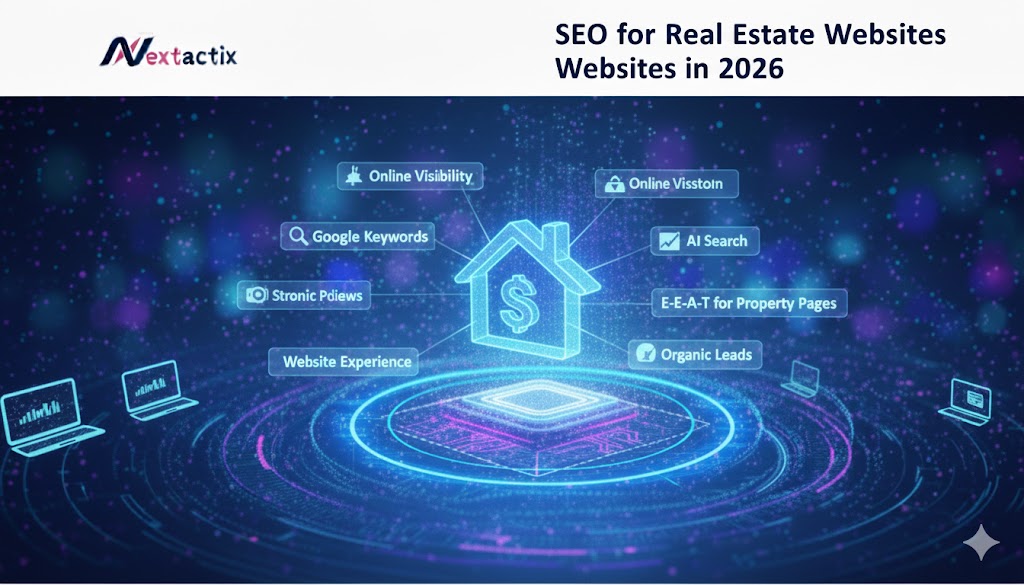
The real estate industry is becoming more competitive every year, and digital visibility is now the biggest factor in business growth. Buyers and sellers no longer depend only on agents or offline networks. Instead, they search online to find properties, compare prices, explore locations, and choose trusted professionals. In 2026, SEO for real estate websites will play a major role in helping agencies, brokers, and developers attract quality leads and close more deals. A strong online presence will decide which brands grow and which ones struggle to survive.
Why Online Visibility Means More Property Leads
Most property journeys begin with a search engine. When a real estate website appears on the first page of Google, it gains instant attention and credibility. Higher visibility leads to more clicks, more inquiries, and more serious prospects. Users trust websites that rank well because search engines act as a filter for quality. In 2026, real estate businesses with strong search visibility will receive a steady flow of leads without depending only on paid ads.
Ranking for High-Intent Buyer and Seller Keywords
Not all website visitors are the same. Some users are just browsing, while others are ready to buy or sell property. High-intent keywords attract users who are closer to making a decision. These searches usually include property type, location, budget, or action-based terms. SEO for real estate websites focuses on identifying and optimizing for these keywords. When a website ranks for them, it attracts serious buyers and motivated sellers, leading to better conversion rates and faster closings.
Google Maps Visibility Driving Local Enquiries
Local search has become extremely powerful in the real estate market. Many users search for nearby agents, offices, or properties directly on Google Maps. A strong Maps presence helps businesses appear in local results, increasing calls, visits, and inquiries. Optimized business profiles with accurate details, reviews, and photos build trust instantly. In 2026, Google Maps visibility will be one of the strongest sources of local leads for real estate businesses.
AI Search Connecting Buyers Faster
Search engines are becoming smarter with AI-driven results. Instead of showing random listings, AI now analyzes user intent, location, preferences, and trust signals. Real estate websites that provide structured content, clear property details, and helpful information benefit the most from AI search. These systems connect buyers with the most relevant listings faster than ever before. In 2026, adapting websites for AI-powered search will be essential for reaching modern property buyers.
The Importance of Strong E-E-A-T for Property Pages
Trust is critical in real estate. Buyers and sellers want accurate information, expert guidance, and reliable professionals. E-E-A-T—Experience, Expertise, Authoritativeness, and Trustworthiness—helps search engines evaluate content quality. Property pages with detailed descriptions, real photos, local knowledge, and professional branding perform better in search results. In 2026, real estate websites that demonstrate strong E-E-A-T will gain higher rankings and stronger user trust.
Why Organic Leads Reduce Heavy Ad Spend
Paid advertising can deliver fast results, but it becomes expensive in competitive property markets. Cost per lead continues to rise every year. SEO offers a long-term solution by generating organic traffic that does not require continuous spending. Once a real estate website ranks well, it attracts leads consistently. Organic leads are often more trustworthy and have better intent. In 2026, reducing dependence on ads will be a major advantage for real estate businesses focused on long-term growth.
Better Website Experience Improves Engagement
User experience plays a major role in search rankings and lead generation. Fast loading pages, mobile-friendly design, clear navigation, and well-organized property listings keep visitors engaged. When users spend more time on a website, search engines see it as a positive signal. Real estate websites that focus on usability will see lower bounce rates and higher inquiry rates. In 2026, user experience will directly influence both rankings and conversions.
Content Strategy for Long-Term Authority
Content helps real estate websites build authority and answer user questions. Blogs, location guides, buying tips, selling advice, and market insights attract search traffic and build trust. Well-structured content helps websites rank for multiple keywords and stay relevant throughout the year. In 2026, real estate businesses that invest in helpful content will strengthen their brand presence and attract repeat visitors.
SEO as a Long-Term Growth Asset
Unlike ads that stop working once the budget ends, SEO continues delivering results over time. Each optimized page, listing, and article adds long-term value to the website. Real estate SEO builds a strong foundation that supports sustainable growth. Businesses that invest early will benefit from steady leads, improved credibility, and better market positioning. In 2026, SEO will remain one of the most reliable digital assets for real estate success.
Final Thoughts on Real Estate SEO in 2026
The future of the real estate industry is deeply connected to search visibility. SEO for real estate websites will drive more leads, stronger local presence, faster buyer connections, and reduced marketing costs. With AI-powered search, Google Maps visibility, strong E-E-A-T, and organic lead generation, businesses can achieve consistent growth without relying heavily on paid ads. Real estate brands that prioritize SEO today will dominate search results and lead the market in 2026.