

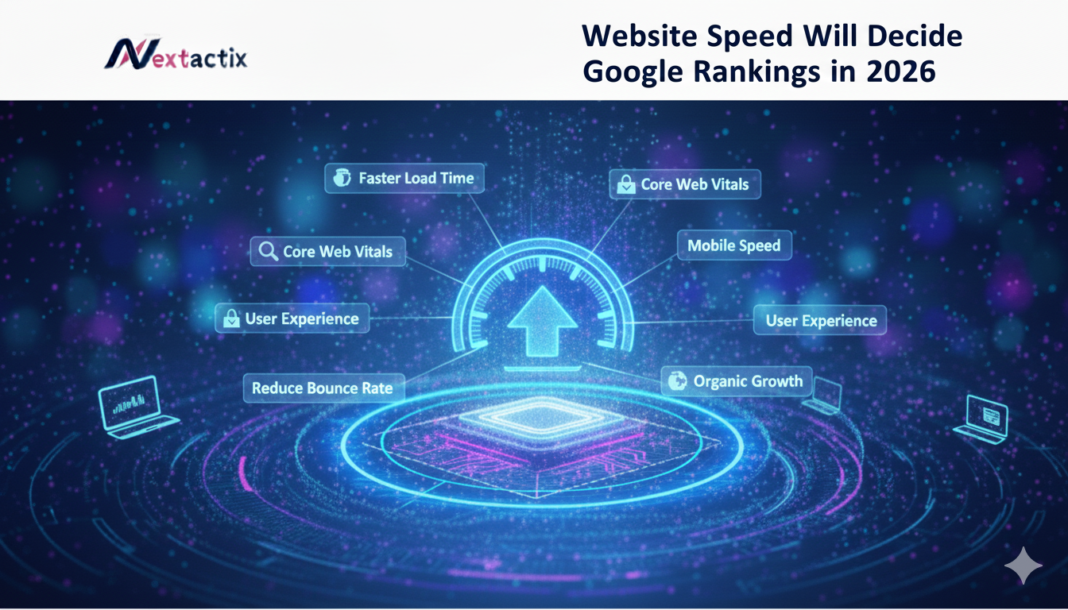
The digital world is becoming faster every year, and users expect websites to load instantly. As technology changes and search engines adapt, website speed is becoming a major ranking factor. In 2026, slow websites will lose traffic, visibility, and engagement, while fast websites will rise in search results. Google continues to reward pages that offer strong user experience, and speed plays an essential role in how people interact with a website. Brands that invest in performance improvements early will see stronger results, better conversions, and long-term growth.
Why Slow Websites Lose Traffic Quickly
When a webpage takes too long to load, users leave almost immediately. People want instant answers, quick browsing, and smooth interactions. Slow websites create frustration, leading to high bounce rates. Search engines track this behavior and treat it as a negative signal. If users leave a website quickly, Google assumes the page is not helpful. This results in lower rankings over time. In 2026, load time will become even more important as competition increases and users become less patient with poor performance.
How Faster Load Time Strengthens SEO
Website speed directly affects how search engines crawl and index pages. When a website loads fast, Google can access more pages in less time, which helps improve visibility. Faster load speed also improves user engagement, which leads to stronger ranking signals such as longer time on page and better interaction. Speed gives websites a competitive edge, especially in industries where multiple brands offer similar products or services. In 2026, the websites that prioritize speed will naturally perform better in organic search.
Core Web Vitals Playing a Major Role in Rankings
Core Web Vitals measure how quickly users can interact with a page, how stable the layout is, and how fast the content becomes visible. These metrics include Largest Contentful Paint, First Input Delay, and Cumulative Layout Shift. Google uses these signals to understand the real user experience. If a website performs well in these areas, it gains higher ranking potential. Poor vitals, however, make it difficult for a website to appear at the top. In 2026, Core Web Vitals will continue shaping how websites are ranked, making performance optimization more important than ever.
Why Mobile Speed Matters the Most
Most online searches now come from mobile devices, and this trend will increase even more in 2026. Google uses mobile-first indexing, which means it evaluates the mobile version of a website before the desktop version. If a website is slow on mobile, it loses ranking opportunities. Mobile users expect ultra-fast loading because they browse on networks that vary in speed. Brands that improve mobile performance will gain stronger visibility and better engagement. Mobile speed will become the deciding factor for many ranking outcomes.
The Connection Between Slow Websites and High Bounce Rates
A slow website forces users to abandon the page before it even loads. This creates a bounce, which signals to Google that the content may not meet user expectations. High bounce rates are a common reason why websites struggle to rank well. Fast websites reduce bounce by keeping users interested from the moment the page appears. They create a smooth browsing experience that encourages users to scroll, click, and explore. In 2026, bounce rate will continue to play a major role in ranking stability.
How Speed Optimization Improves Conversions
Website speed affects more than SEO—it directly influences sales, sign-ups, and user actions. When a website loads quickly, users feel comfortable and confident. They browse more products, read more articles, and spend more time on the site. This results in higher conversions. Studies show that even a one-second improvement in load time can make a significant impact on revenue. In 2026, faster websites will enjoy higher conversion rates because users prefer smooth, responsive online experiences.
Improving User Experience Through Better Performance
User experience is one of the strongest ranking signals today. Search engines want to provide users with pages that feel reliable and enjoyable to browse. Speed is a core part of this experience. When images, videos, and interactive elements load quickly, users stay longer and consume more content. Faster performance also improves navigation and reduces frustration. In 2026, businesses that focus on performance will create better user journeys and earn more trust from both users and search engines.
Why Speed Will Matter Even More With AI Search
AI search systems evaluate more user behavior patterns than traditional algorithms. They notice how long users stay on a page, how quickly they engage, and how often they return. AI also predicts which websites offer the best experience based on speed and stability. This means fast websites will be highlighted more often in AI-driven results. As AI search expands in 2026, website speed will play a critical role in earning visibility and staying competitive.
Long-Term Benefits of Investing in Website Performance
Improving speed is not a one-time task—it is a long-term investment. When a website becomes faster, it performs better across every device, every browser, and every search engine. It reduces server costs, improves crawl efficiency, and strengthens brand reputation. Users trust faster websites because they feel more professional. Over time, these benefits add up, helping businesses achieve steady growth without relying heavily on paid advertising. In 2026, performance optimization will be one of the most reliable ways to maintain digital strength.
Final Thoughts on Website Speed and Rankings in 2026
The future of SEO is closely tied to performance. Website speed will decide search rankings, user engagement, and conversion outcomes in 2026. Slow websites will lose traffic and visibility, while fast websites will rise to the top. Strong Core Web Vitals, mobile-first performance, reduced bounce rates, and smooth experiences will all contribute to better ranking stability. Businesses that invest in speed optimization today will build long-term success in the digital marketplace. Speed is no longer optional—it is the foundation of modern online growth.